If you run an ophthalmology practice, you have probably looked at patient education software. Apps, video libraries, and portal messages all promise to get cataract patients ready before their consultation. Navigate Patient Solutions takes a different approach. A trained Patient Navigator calls, texts, or video chats with each patient, one on one, before they ever sit in your exam chair.
Both approaches aim to solve the same problem: providing education on the cataract surgery procedure to provide clarity. But the method matters, and so does the result. Here is what actually separates a software tool from a human-led service, and why practice owners are now paying more attention to the difference.
What Patient Education Software Actually Does
Digital patient education tools are self-service by design. A patient logs into a portal, watches a video about cataract surgery, or scrolls through an FAQ page. The content is often well produced and medically accurate. The catch is that it only works if the patient actually engages with it, understands it, and remembers it later.
That is a bigger gap than it sounds. According to the Agency for Healthcare Research and Quality, health literacy directly affects whether patients can use the information they are given to make decisions about their care. Research published in the Journal of Medical Internet Research found that only about 12% of U.S. adults have the health literacy skills to confidently interpret health information on their own. A well-designed video library does not close that gap by itself. Someone still has to make sure the patient understood what they watched.
Industry coverage backs this up. A recent Ophthalmology Times piece on digital patient engagement noted that while platforms can improve patient understanding, they “cannot provide the customized, human approach that cataract patients both need and deserve.” Software is a helpful supplement. On its own, it is not a substitute for a real conversation.
What Navigate Patient Solutions Does Differently
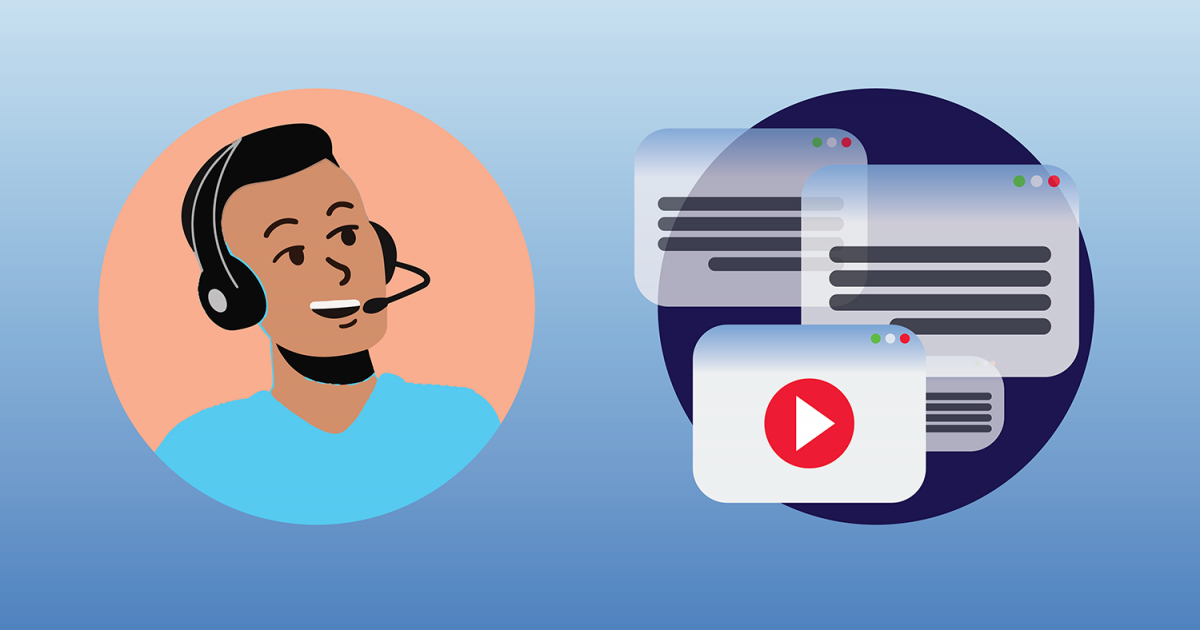
Navigate’s trained Patient Navigators reach out to patients after their consultation is scheduled, before they arrive at your practice. In plain language, over the phone, by video, or by text, they explain what cataract surgery involves, walk through lens options including advanced technology IOLs, and answer the questions patients are too rushed or too anxious to ask in the exam lane.
This is not automated messaging. It is a real person, trained on your practice’s talking points, having a real conversation. Patients get to ask follow-up questions. They get a direct answer about out-of-pocket costs. And your team learns what that patient is thinking before the surgeon ever walks into the room.
Why the Difference Shows Up in the Numbers
The gap between software and a human conversation is not just theoretical. In 2025, 74% of Navigate-educated patients book their surgery, 11% higher than practices relying on their own education process alone. Advanced technology IOL adoption runs more than 30% higher among Navigate-educated patients.
Those numbers reflect what happens when a patient actually understands their options instead of just having access to information about them.
The Research Behind Human-Led Education
This is not just a Navigate talking point. A 2025 systematic review and meta-analysis published in PMC examined non-pharmacological interventions for preoperative anxiety in cataract surgery patients. The review found that patient education combined with social support meaningfully reduces anxiety, particularly when trained staff supervise the education process rather than leaving patients to work through materials alone.
Anxiety is not a side issue, especially in cataract surgery. Anxious patients ask more repetitive questions, take longer in the exam lane, and are more likely to cancel or default to the lowest-cost option out of uncertainty rather than informed preference. Addressing that anxiety before the consultation changes the entire visit in your practice.
Software Alone Cannot Solve Staff Burnout
Practice administrators often bring in patient education software hoping it will reduce the burden on staff. Sometimes it helps. But someone still has to build the content library, keep it updated, and follow up with patients who never opened the link. Portal engagement is also uneven. Research on patient portals shows meaningful gaps in usage by health literacy, language, and education level, meaning the patients who need the most help are often the least likely to use a self-service tool effectively.
Navigate works differently because it does not depend on the patient logging in. The Navigator reaches out directly and has the conversation, regardless of how comfortable that patient is with technology. Notes from every patient interaction are logged in your practice’s EMR to provide seamless communication. No extra portal login, no additional downloads, just valuable patient information where and when you need it.
Software and Service Are Not Mutually Exclusive
None of this means digital tools are worthless. A good video can reinforce what a Navigator already explained. A portal can hold records of the conversation. But software is a tool patients have to use themselves. Navigate is a service that meets the patient where they are, on the phone or by video, with plain language and real answers.
For practice owners weighing the two, the question is not which one is better in the abstract. It is which one actually gets your patients prepared, confident, and ready to make a decision by the time they sit down with your surgeon.